The name Aquiares means “land between rivers” in the Huetar indigenous language, and Aquiares Estate is commonly referred to as “Aquiares Coffee and Community.” It is the largest farm in Costa Rica and home to 1,800 people. Although the farm was founded in 1890, Alfonso Robelo is the man responsible for its transformation a century later. Alfonso arrived in Costa Rica in the 1980’s seeking refuge from the civil war in Nicaragua, where he was politically active. When politics soured into violence, he fled the country to keep his family and himself safe after receiving several threats against his life. Once in Costa Rica, Alfonso began building the Aquiares community on the enchanting slopes of the Turrialba volcano, a lush area of forests, rivers, fauna, and bright flora.
Alfredo challenged the status quo, transforming the relationship between landowner and farm workers. He brought a visionary approach to Aquiares, a farm suffering from low prices and instability. Aquiares had more than 200 employee homes on the farm, but because none owned their home, there was great insecurity in the workforce. Alfonso saw this as an opportunity to strengthen the company by having people feel pride in the coffee they produce. He evolved the farm into a small town where workers purchased their own homes. Today, Alfredo’s son, Diego, runs the farm and Aquiares remains a model of sustainable agriculture.
Aquiares focuses on carbon neutrality and measures its greenhouse gas emissions to calculate its carbon emissions against its offsets. An agent verified under the International Panel on Climate Change verifies these calculations and Aquiares’ carbon measurement and emissions reduction are part of Costa Rica’s Nationally Appropriate Mitigation Action. In addition to capturing carbon, the farm’s protected biological corridors have long ensured the wellbeing of local animals and plants.
This nano lot of coffee is an Anaerobic Natural process F1 Esperanza cultivar. This cultivar is very rare and Aquiares is one of the few farms to produce it on a commercial scale globally. This Anaerobic Natural process begins with floating the cherries for sorting and washing them in fresh water. The cherries are then placed whole in a stainless steel tank with a one-way air valve. Mossto, fermented liquid from previous batches of coffee fermentation containing additional yeast and bacteria, is added to kickstart fermentation. The mossto is recycled after each batch, carrying over microorganisms into new batches and creating additional complexity. The mossto and cherries work together during fermentation, pushing all of the oxygen out through the one-way valve in only 1-2 hours and creating an anaerobic environment within the tank. This fermentation process continues for 24 hours before the cherries are removed and washed in fresh water again. The cherries are finally taken to dry, first for two days on a ceramic patio, and then finishing their drying on layered beds within a solar dryer.
Producer: Diego Robelo
Region: Turrialba, Costa Rica
Varietals: Esperanza F1 Hybrid
Altitude, 3,800 ft
Process: Anaerobic Natural
Tasting Notes: Black Cherry, Dark Chocolate, Mandarin Orange, Red Wine
In order to expedite order fulfillment, we pre-roast coffees and keep a small inventory for up to one week. Our heat sealed, valved bags keep coffee at peak freshness for up to 90 days and this pre-roasting practice ensures you will receive coffee at peak quality as quickly as possible.
The name Aquiares means “land between rivers” in the Huetar indigenous language, and Aquiares Estate is commonly referred to as “Aquiares Coffee and Community.” It is the largest farm in Costa Rica and home to 1,800 people. Although the farm was founded in 1890, Alfonso Robelo is the man responsible for its transformation a century later. Alfonso arrived in Costa Rica in the 1980’s seeking refuge from the civil war in Nicaragua, where he was politically active. When politics soured into violence, he fled the country to keep his family and himself safe after receiving several threats against his life. Once in Costa Rica, Alfonso began building the Aquiares community on the enchanting slopes of the Turrialba volcano, a lush area of forests, rivers, fauna, and bright flora.
Alfredo challenged the status quo, transforming the relationship between landowner and farm workers. He brought a visionary approach to Aquiares, a farm suffering from low prices and instability. Aquiares had more than 200 employee homes on the farm, but because none owned their home, there was great insecurity in the workforce. Alfonso saw this as an opportunity to strengthen the company by having people feel pride in the coffee they produce. He evolved the farm into a small town where workers purchased their own homes. Today, Alfredo’s son, Diego, runs the farm and Aquiares remains a model of sustainable agriculture.
Aquiares focuses on carbon neutrality and measures its greenhouse gas emissions to calculate its carbon emissions against its offsets. An agent verified under the International Panel on Climate Change verifies these calculations and Aquiares’ carbon measurement and emissions reduction are part of Costa Rica’s Nationally Appropriate Mitigation Action. In addition to capturing carbon, the farm’s protected biological corridors have long ensured the wellbeing of local animals and plants.
This nano lot of coffee is an Anaerobic Natural process F1 Esperanza cultivar. This cultivar is very rare and Aquiares is one of the few farms to produce it on a commercial scale globally. This Anaerobic Natural process begins with floating the cherries for sorting and washing them in fresh water. The cherries are then placed whole in a stainless steel tank with a one-way air valve. Mossto, fermented liquid from previous batches of coffee fermentation containing additional yeast and bacteria, is added to kickstart fermentation. The mossto is recycled after each batch, carrying over microorganisms into new batches and creating additional complexity. The mossto and cherries work together during fermentation, pushing all of the oxygen out through the one-way valve in only 1-2 hours and creating an anaerobic environment within the tank. This fermentation process continues for 24 hours before the cherries are removed and washed in fresh water again. The cherries are finally taken to dry, first for two days on a ceramic patio, and then finishing their drying on layered beds within a solar dryer.
Producer: Diego Robelo
Region: Turrialba, Costa Rica
Varietals: Esperanza F1 Hybrid
Altitude, 3,800 ft
Process: Anaerobic Natural
Tasting Notes: Black Cherry, Dark Chocolate, Mandarin Orange, Red Wine
In order to expedite order fulfillment, we pre-roast coffees and keep a small inventory for up to one week. Our heat sealed, valved bags keep coffee at peak freshness for up to 90 days and this pre-roasting practice ensures you will receive coffee at peak quality as quickly as possible.
 Image 1 of 8
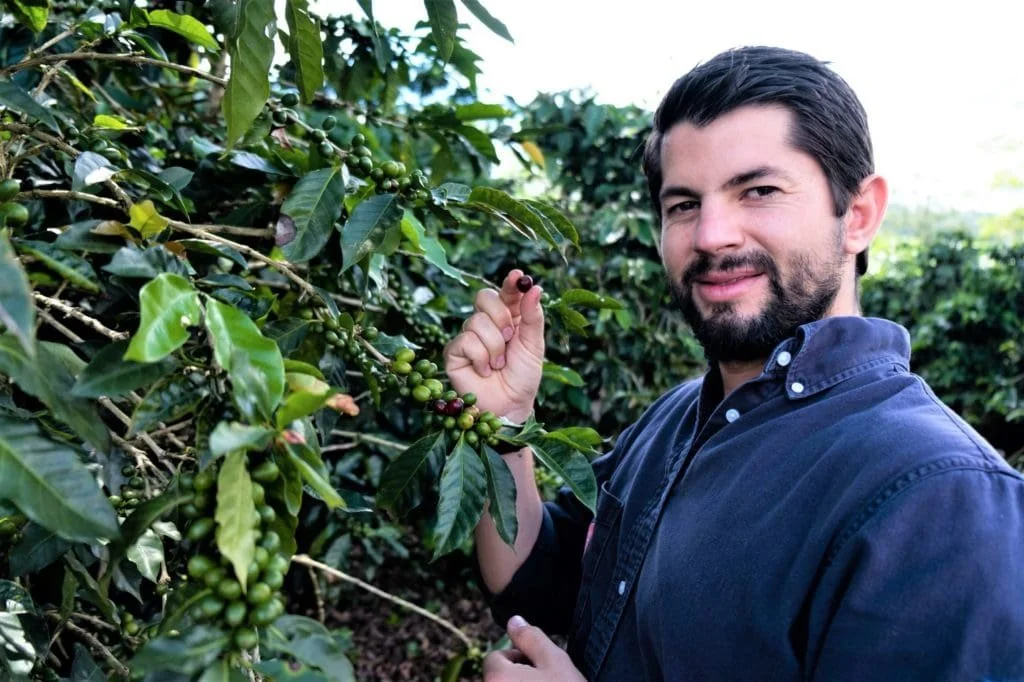 Image 2 of 8
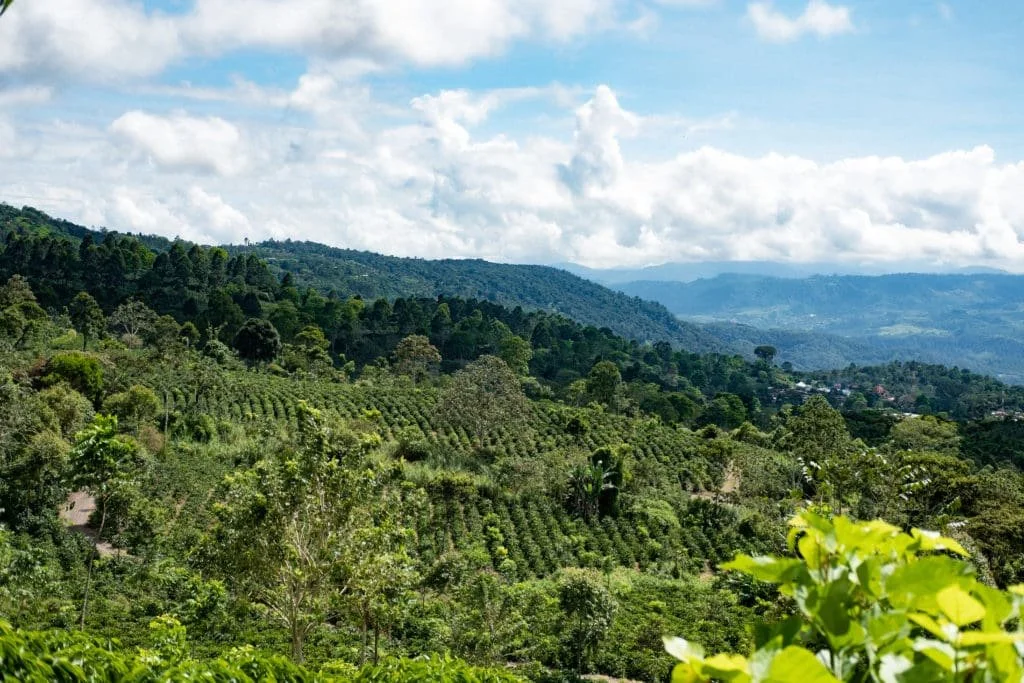 Image 3 of 8
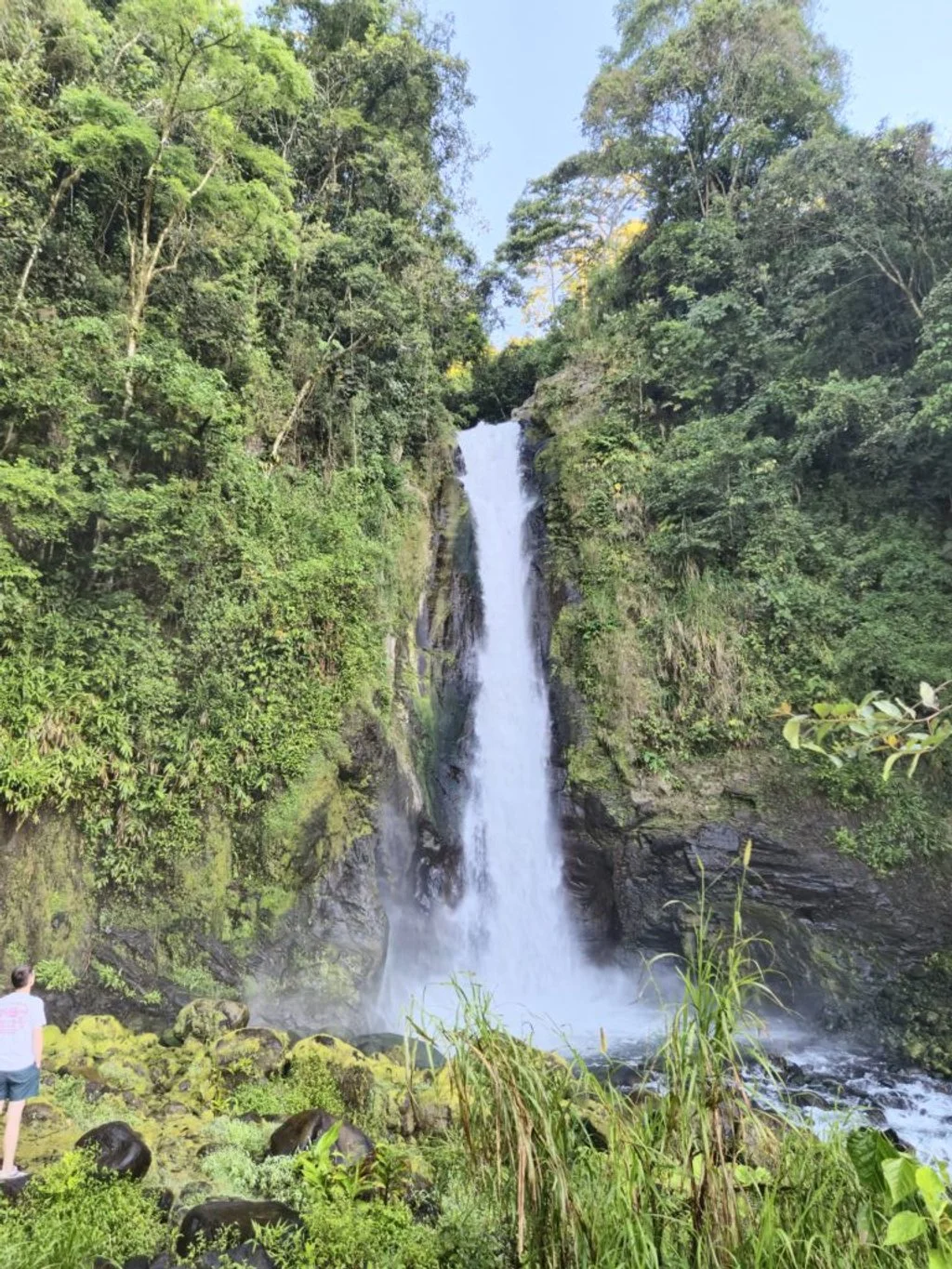 Image 4 of 8
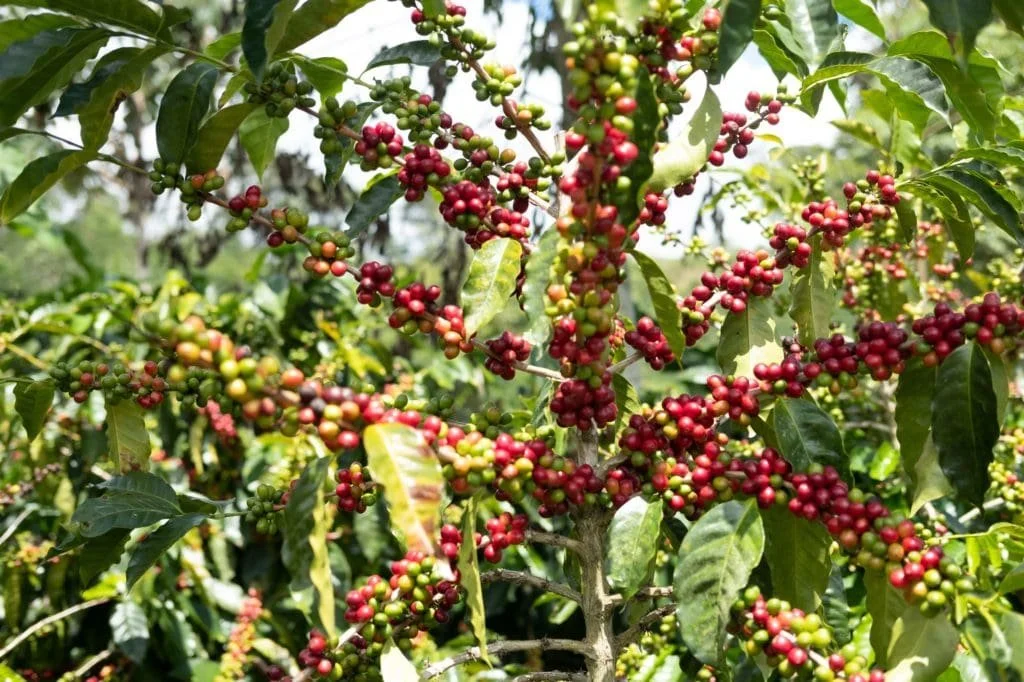 Image 5 of 8
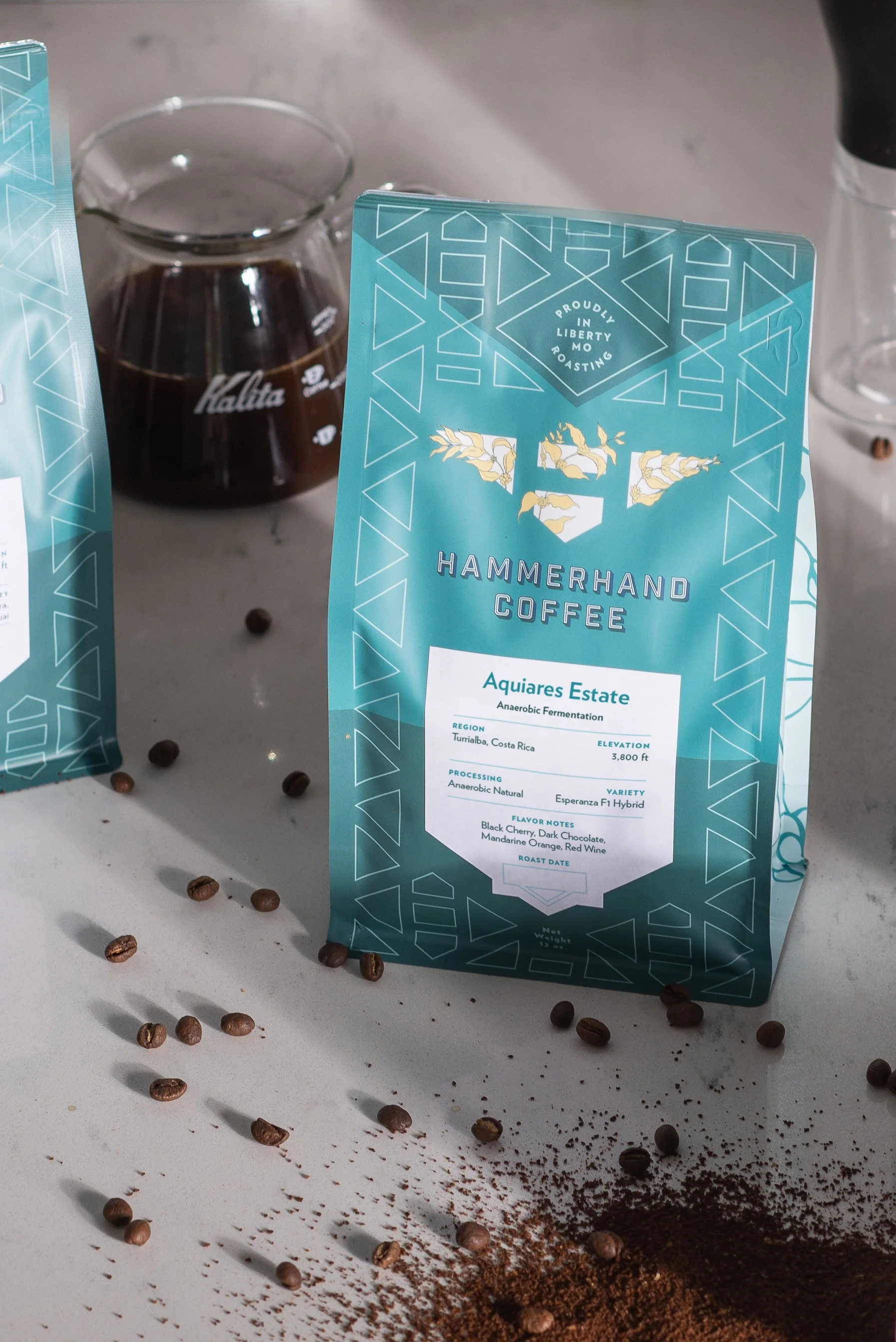 Image 6 of 8
 Image 7 of 8
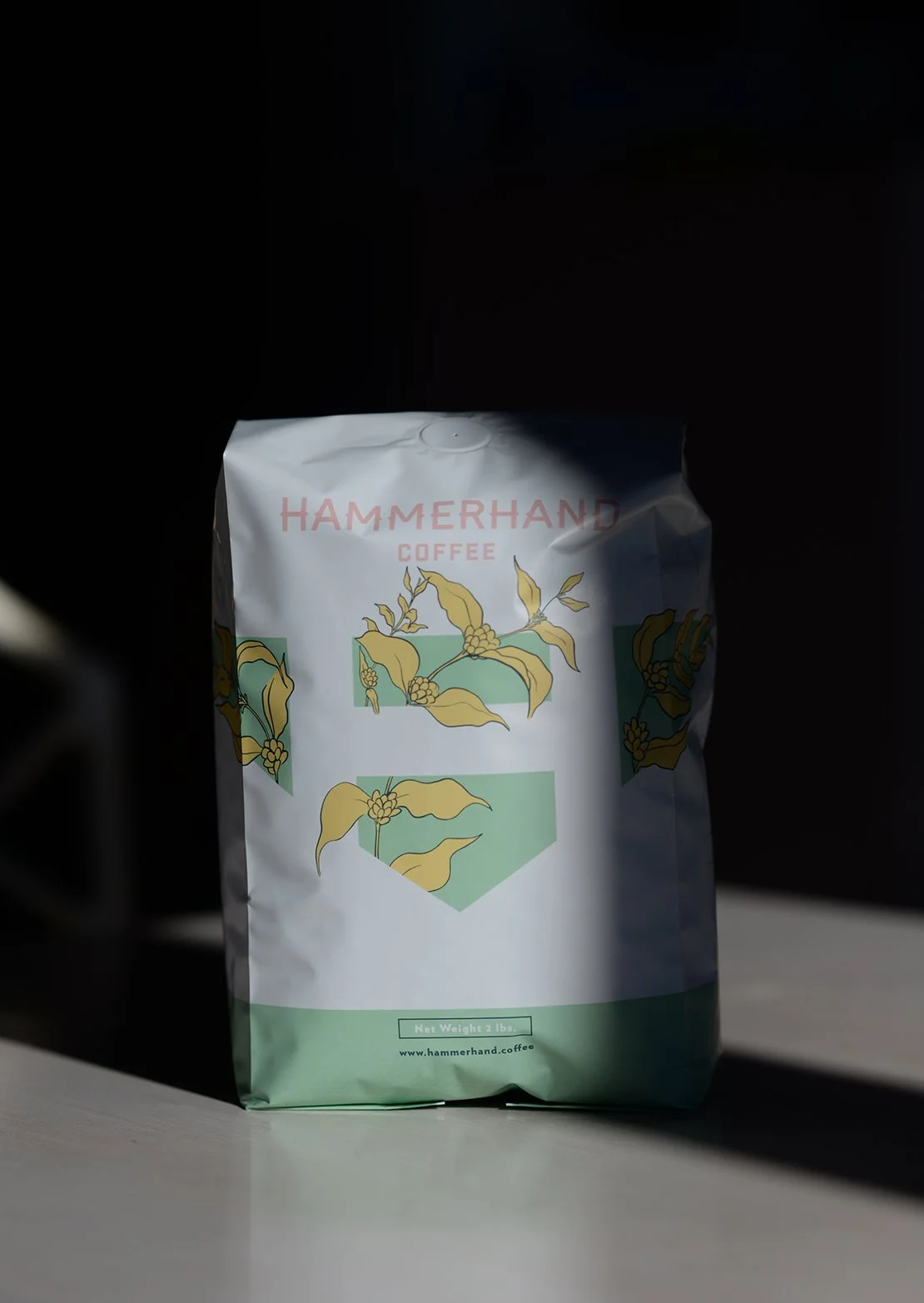 Image 8 of 8